
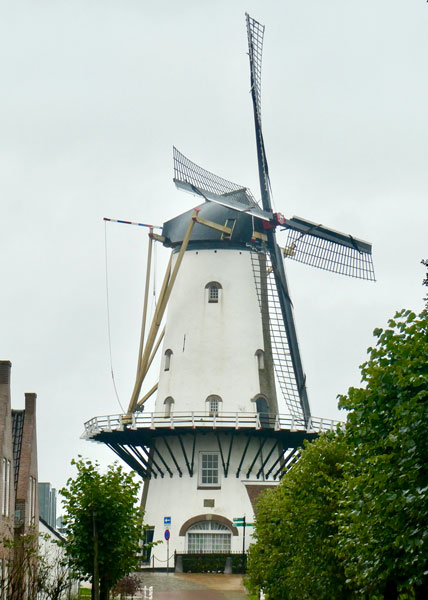
Today, the thought that our trip is reaching the end began to hit home. Of course, there’s nothing like a cold, gray rainy day to tamp down the spirits. And it was particularly miserable this morning when we went out to see some of the Kinderdijk windmills lining the canals.
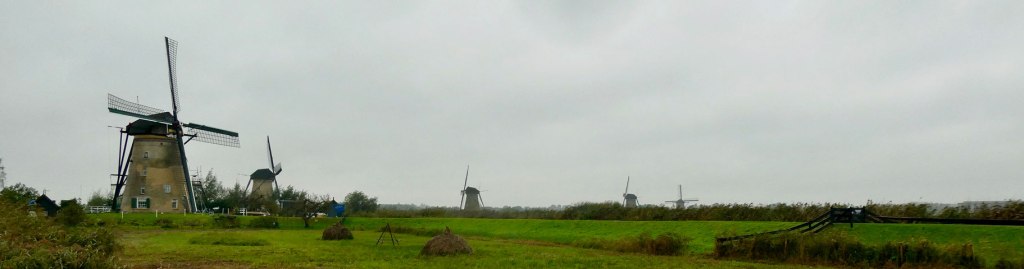
These 19 windmills have been a UNESCO World Heritage site since 1997 and I thought today’s visit was mostly about capturing these iconic workhorses from the past on “film.” But there’s an historic and very practical (even “Dutch”) reason why these buildings still exist, operate and have a waiting list of people interested in making one their home.
Needless to say, they were originally built to drain the excess water from the surrounding reclaimed tracts of land (polders). At the time, the best and cheapest power source was the wind. But progress intervened and eventually steam, diesel and then electric pumps took over the work. The windmills were idled.
Then, WWII happened, and the power needed to operate the “new” pumps was redirected to the war effort by the occupiers, leaving the area anything but high and dry. The Dutch were able to put the moth-balled windmills back in operation and save the land from flooding. As a result, after the war, laws were put in place to ensure that the remaining working mills would have onsite, live-in millers trained to operate theirs for a minimum amount of time spread throughout the year so that the mills could be brought back “online” in times of crisis.
Kinderdijk
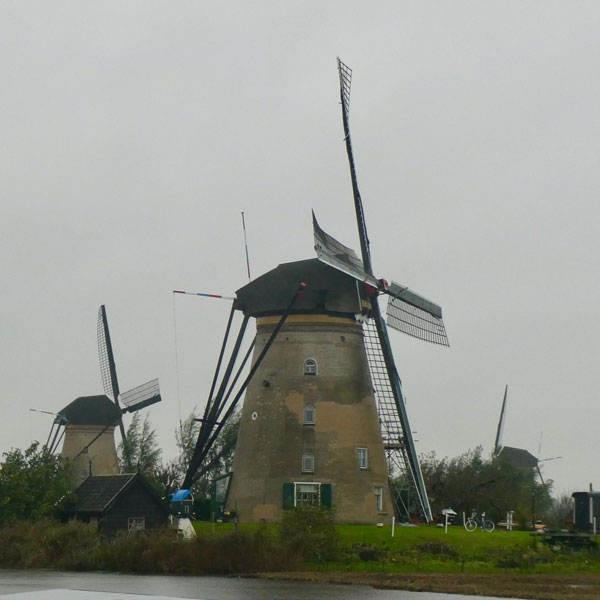
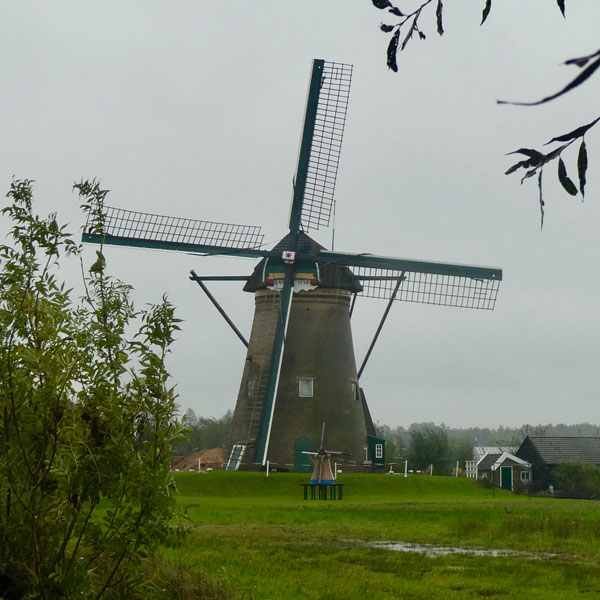
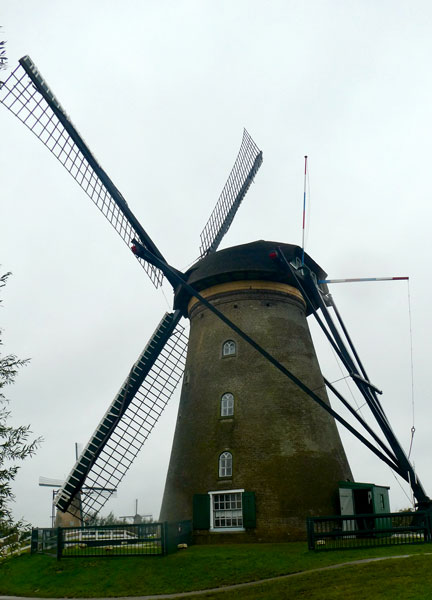
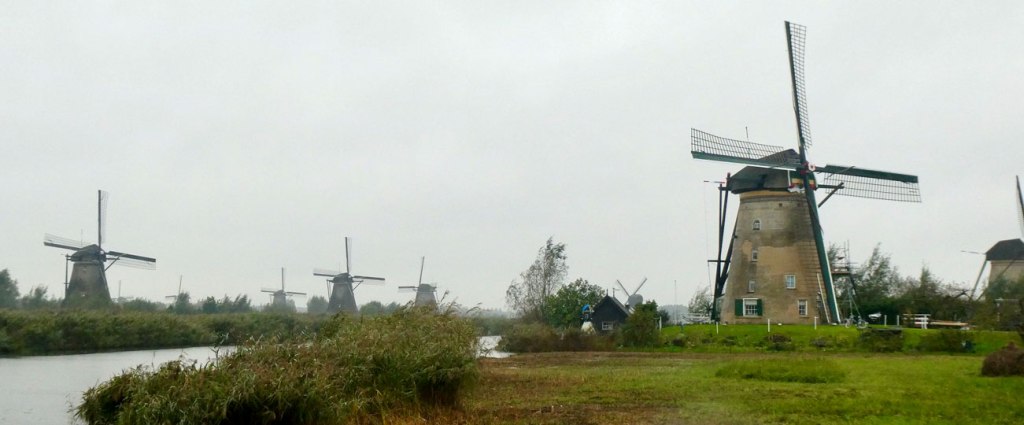
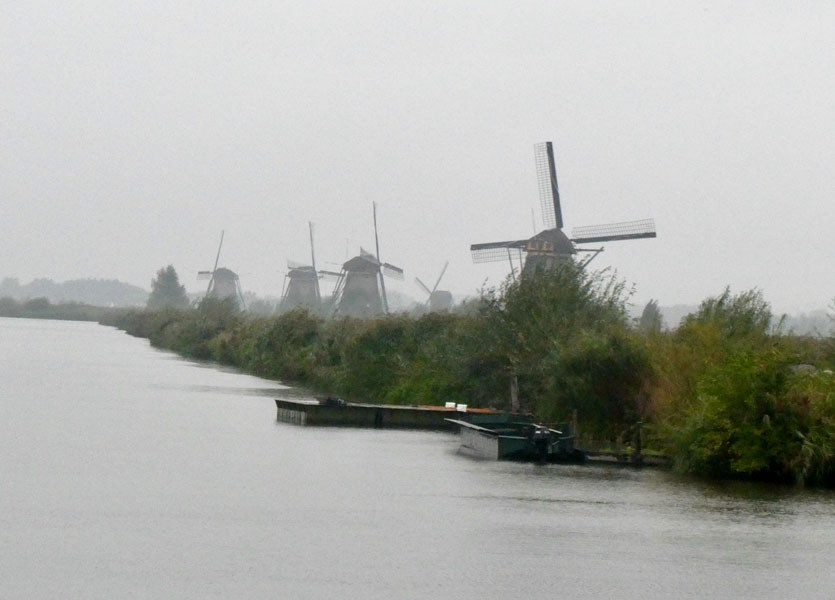
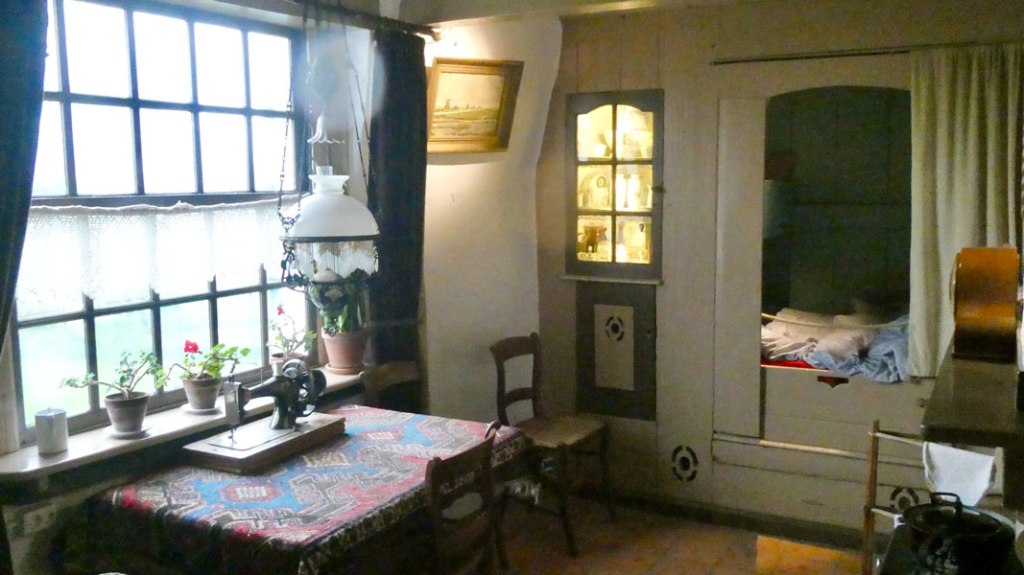
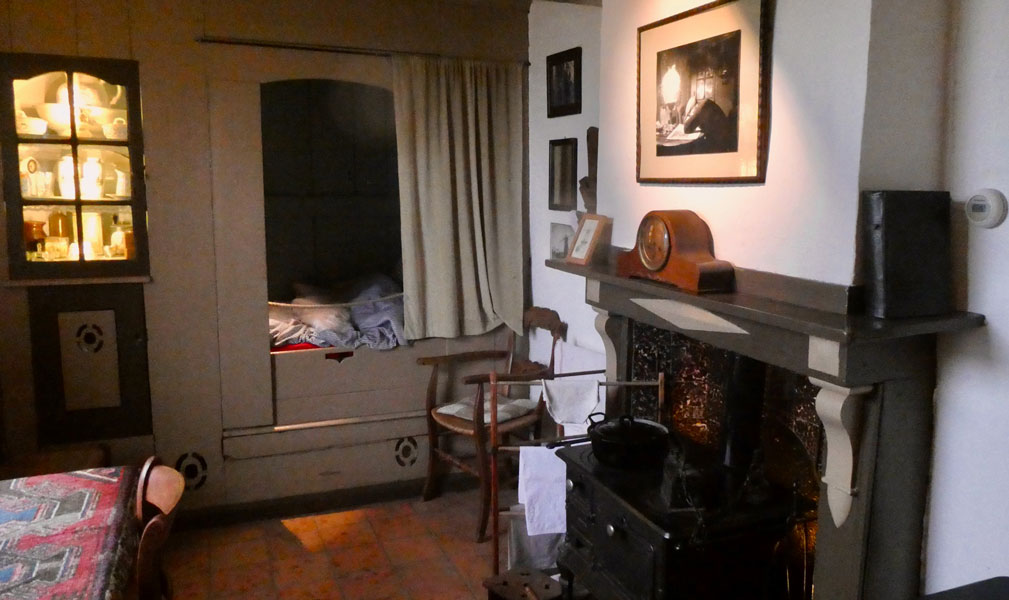
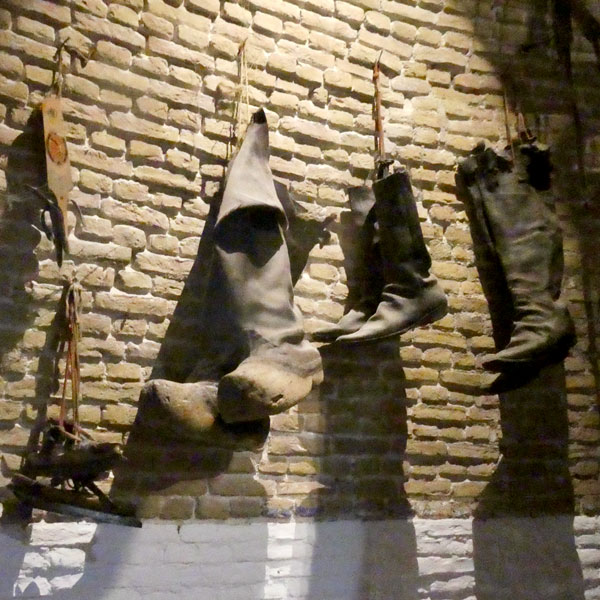
Our group walked from the ship to a small sightseeing boat on the canal. After cruising up the waterway, past eerily, mist-shrouded windmills, we looped back around and were deposited at a mill that is not longer used for water movement; it has been converted to a museum.
We enter on the mill’s ground floor. From there, we could climb the extremely steep stairs — almost ladders really — to the first, second and third floors. The ground and first floor had the living quarters. The third floor, which had a caged-in tops to the stairs to prevent access, revealed the enormous wooden gears that transformed the power of the wind into the turning of gears to operate the pumps.
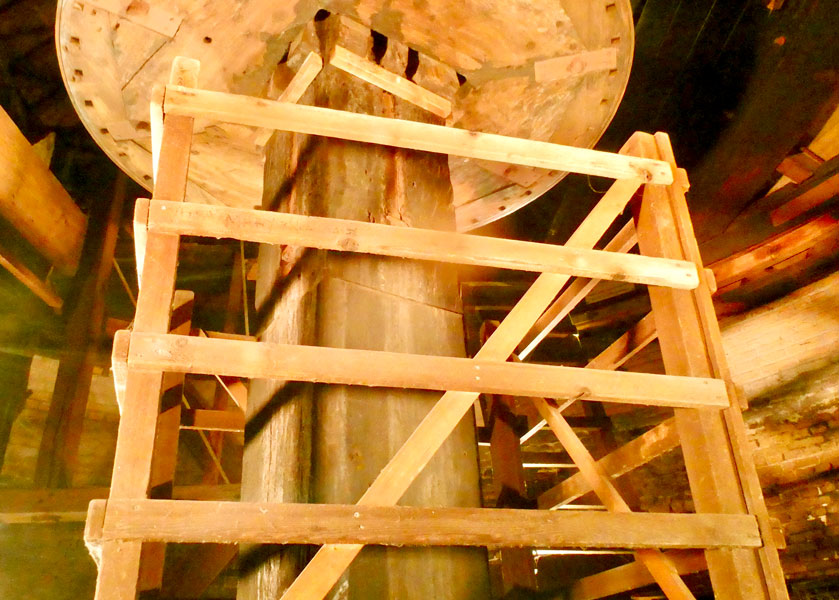
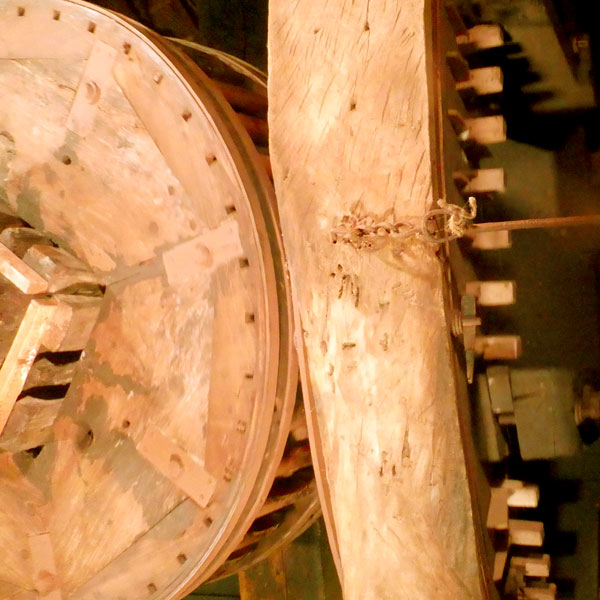
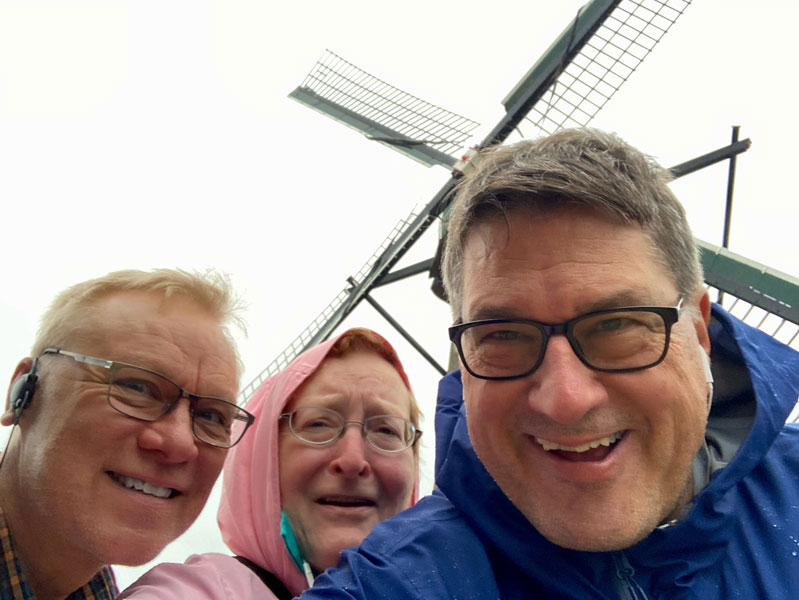
Wet, cold and tired from battling the wind-driven rain, we returned to the ship. Today was a two-stop day and we were off to Willemstad shortly after we reboarded.
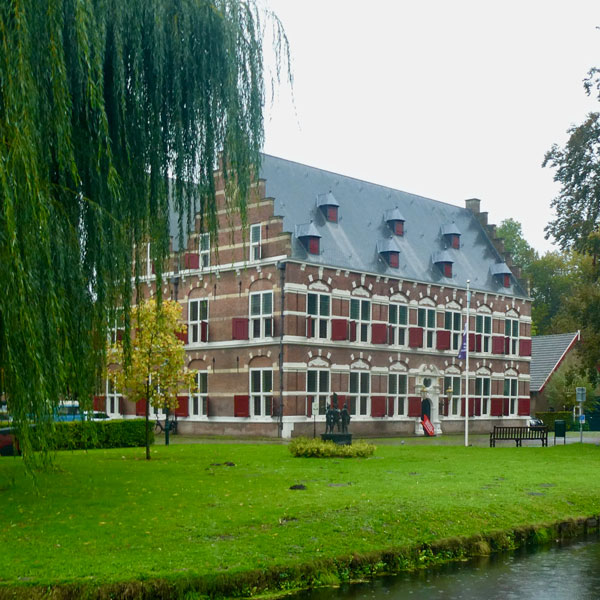
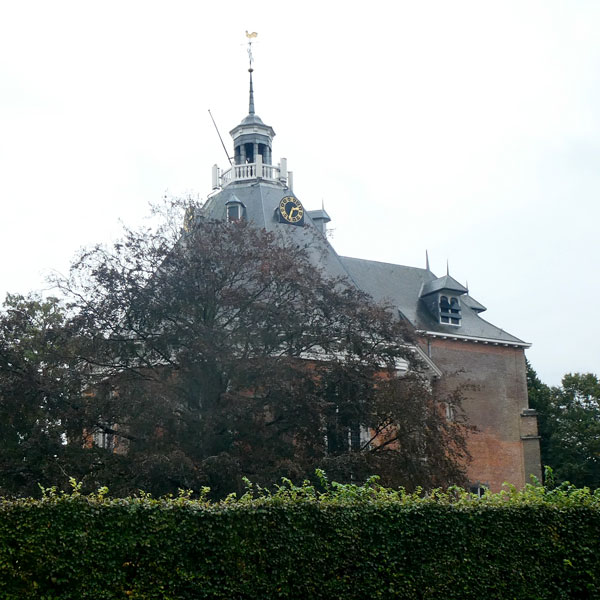
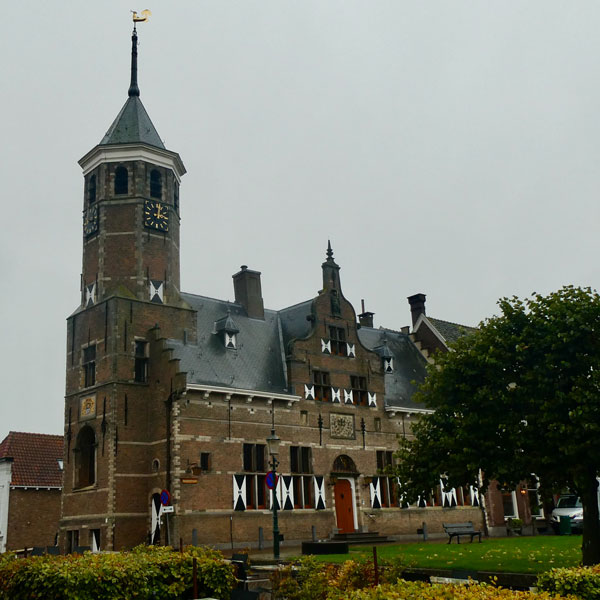
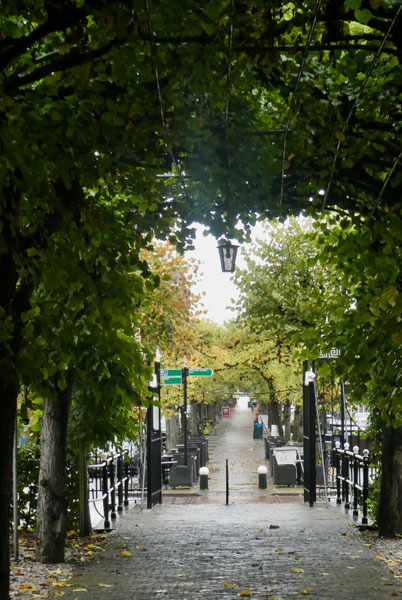
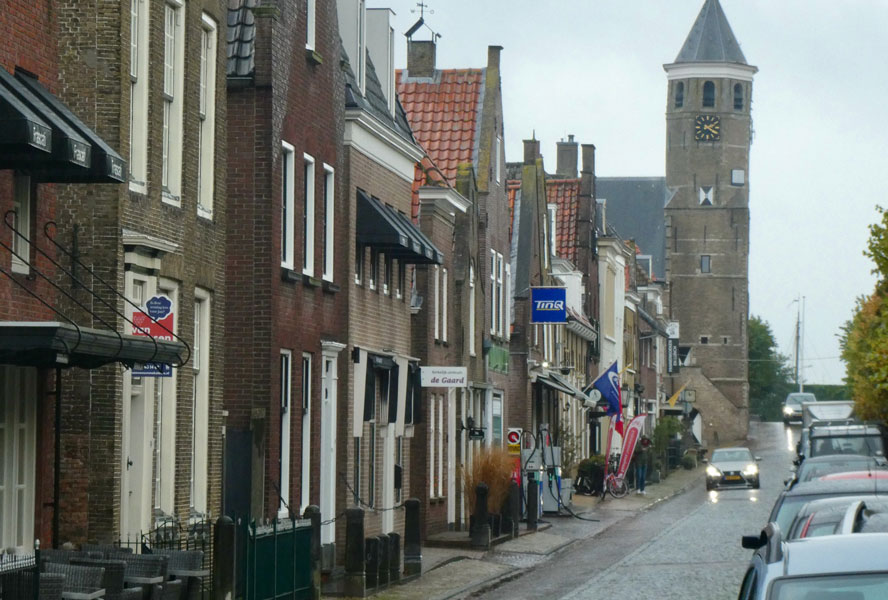
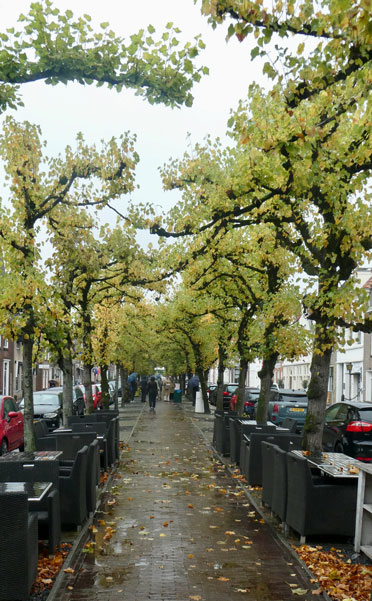
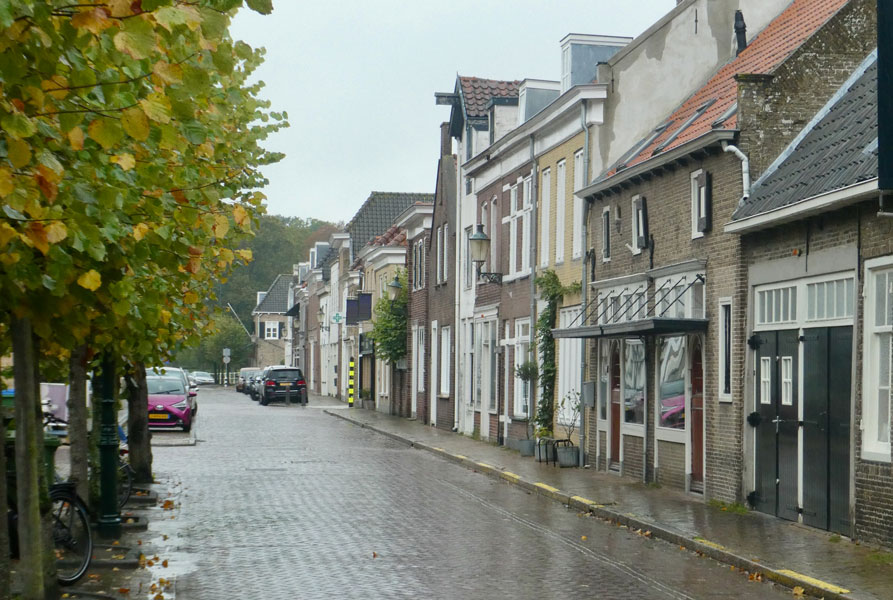
Willemstad is a little town (less than 2,500 residents) still encircled by the star-shaped fortifications that were the latest in defense when built. Our tour of the town consisted of a quick walk, a few stories and the release for our own exploration.
Peg had already given up fighting the elements after reaching the tree-lined walkway that split the main road from port to church. She headed back to the ship while Rob and I pressed on. As it was still drizzling, we only climbed up to the overlook at one end of the fortification with a view of the harbor. If the weather had cooperated, we would have walking the entire length of the ramparts. But that will have to wait for a re-visit.
View seen…and not much else to see, we returned to the ship ourselves.
Willemstad
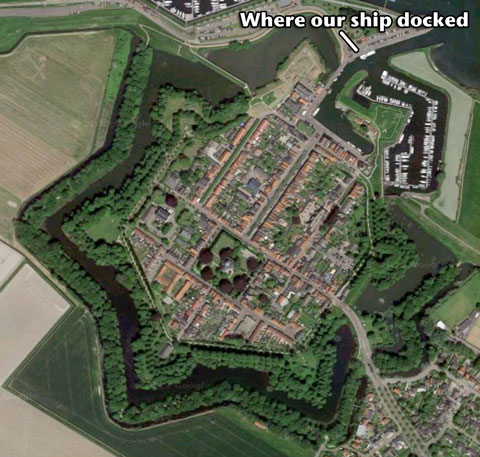
Once everyone was onboard, our ship left The Netherlands. Sailing at quite a clip, we were heading to Antwerp, Belgium and our final stop on this journey.
 Romance of the Rhine & Mosel
I LOVE the windmills!
❤️ Nini
LikeLike
Peg does look miserable 😢
❤️ Nini
LikeLike