
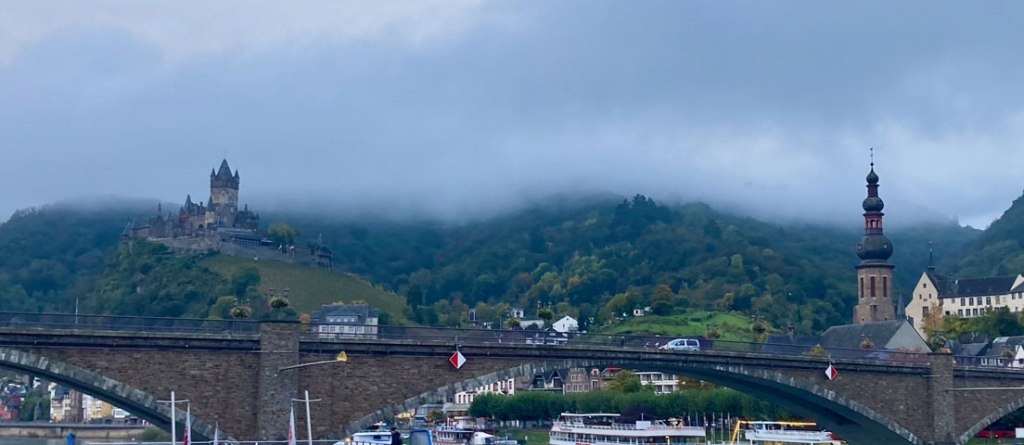
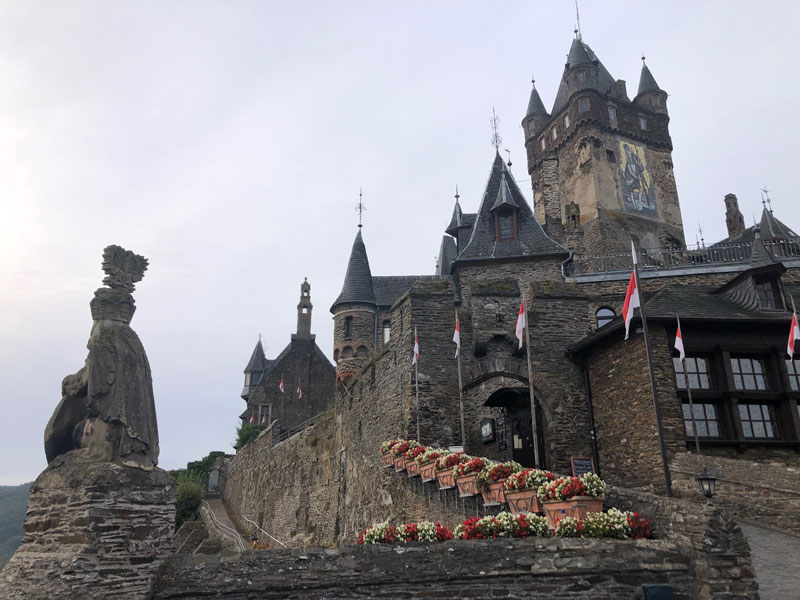
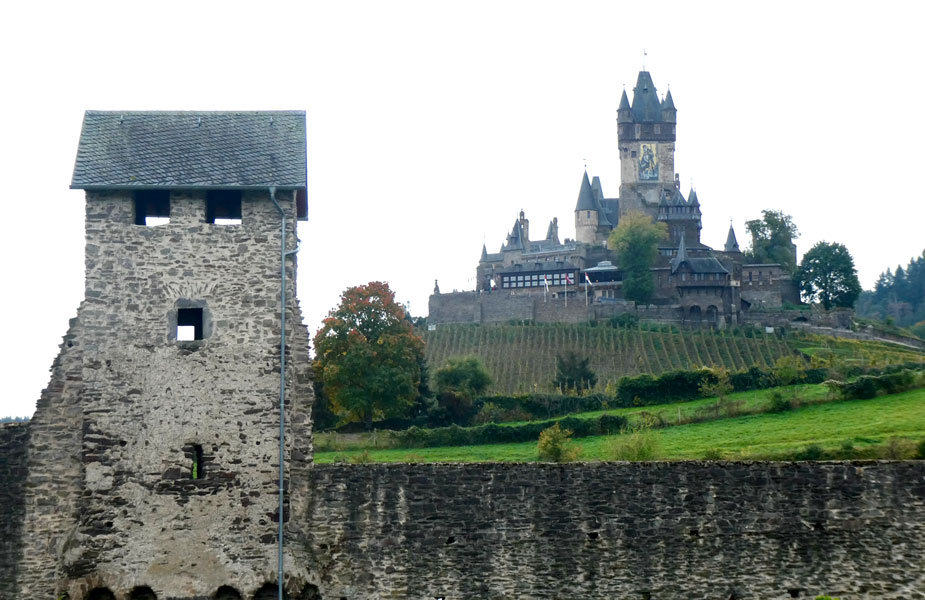
Cochem’s crowning glory is the Reichsburg Castle, a fairytale citadel overlooking the town and providing some of the best panoramic views of Cochem and the Mosel valley.
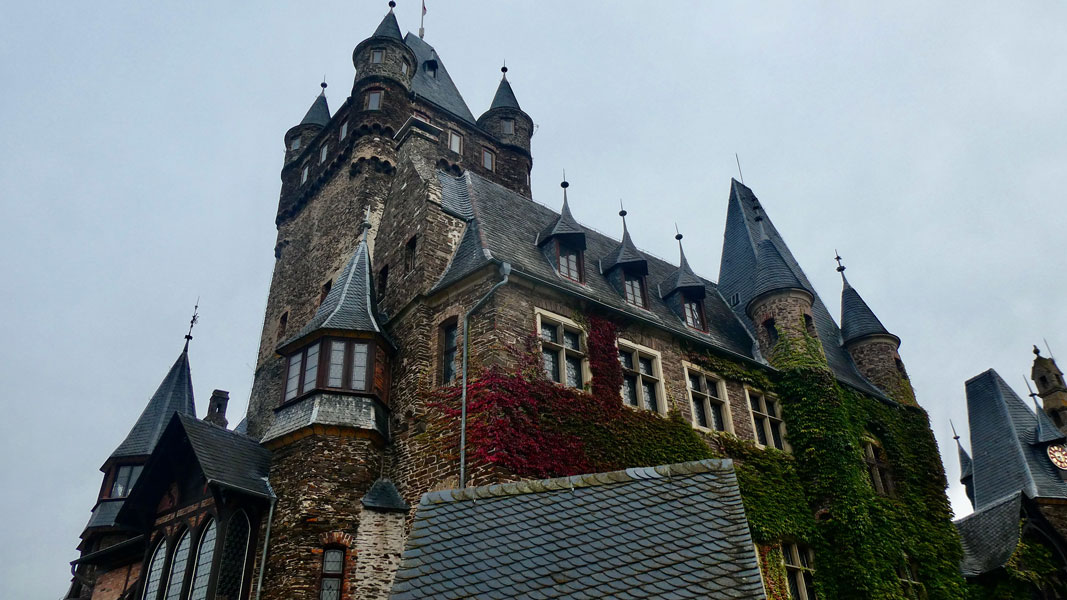
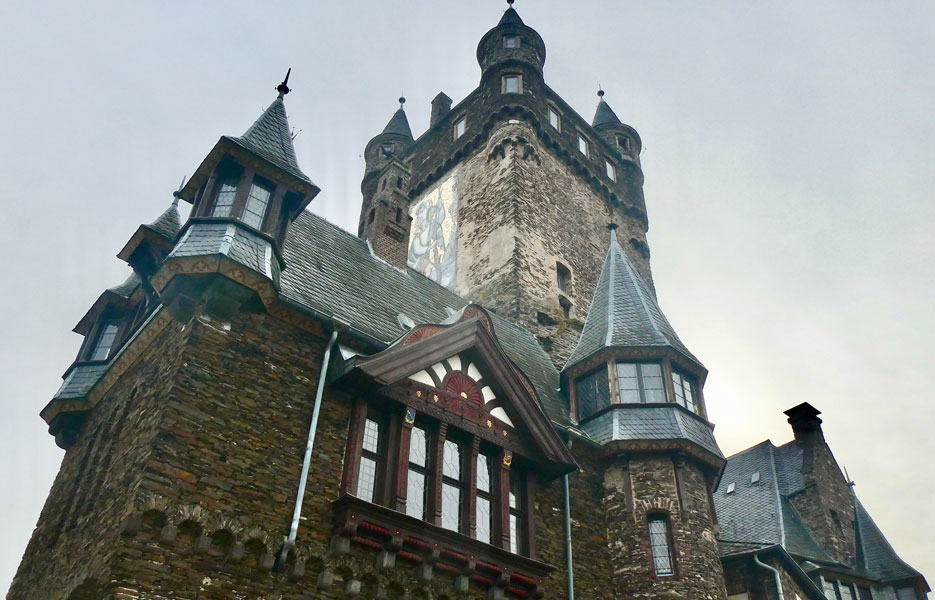
The castle goes back to the 12th century. However, as we have learned sailing the romantic Rhine earlier, it too was destroyed by Louis XIV in the late 1600’s. The hilltop sat fallow for almost 200 years. Most of what we see today (with the incorporation of a few medieval remnants) was rebuilt in the Neo-Renaissance style by the Berlin businessman Louis Ravené, an ironworks magnate who grew wealthy on the growth of the railroad throughout Germany. He restored the property according to the Romantic tastes of the 19th century as a summer residence for his family.
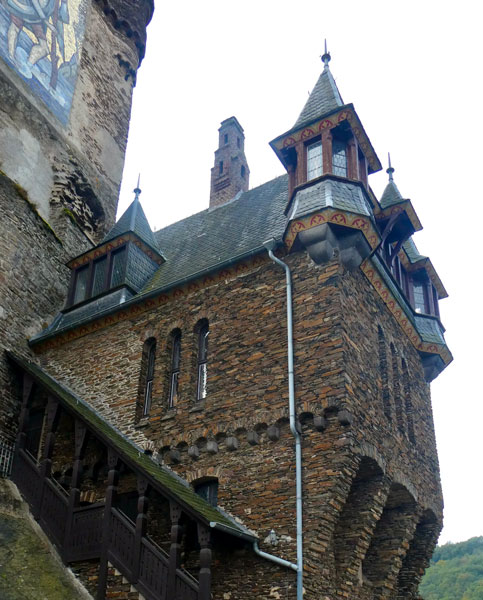
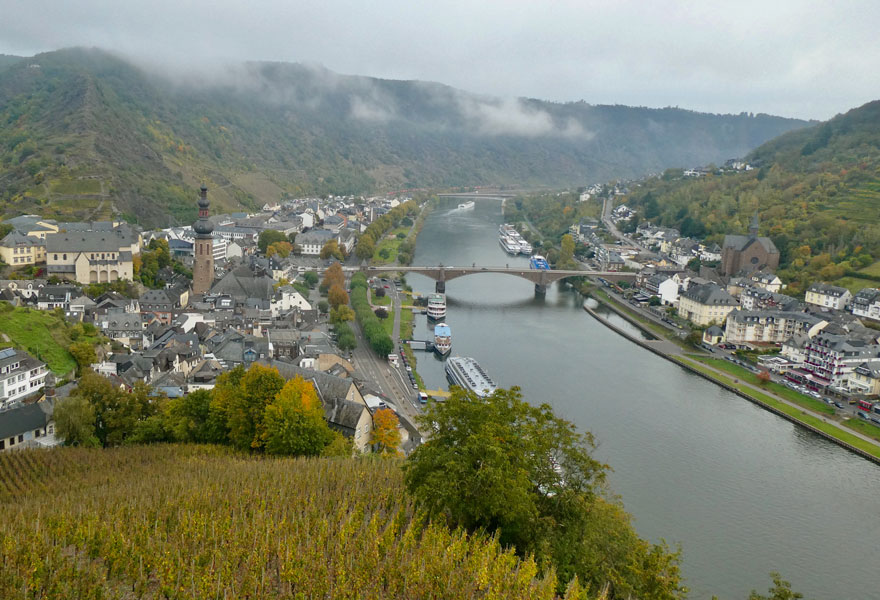
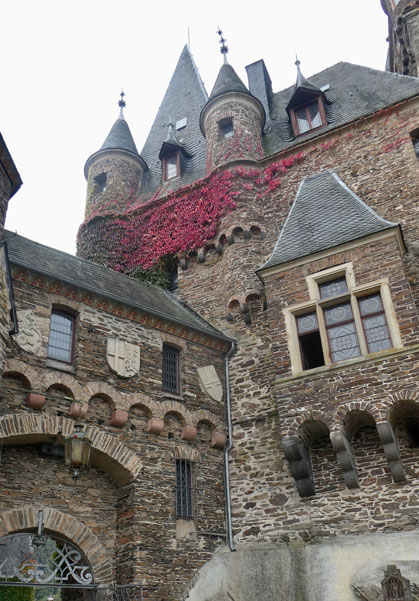
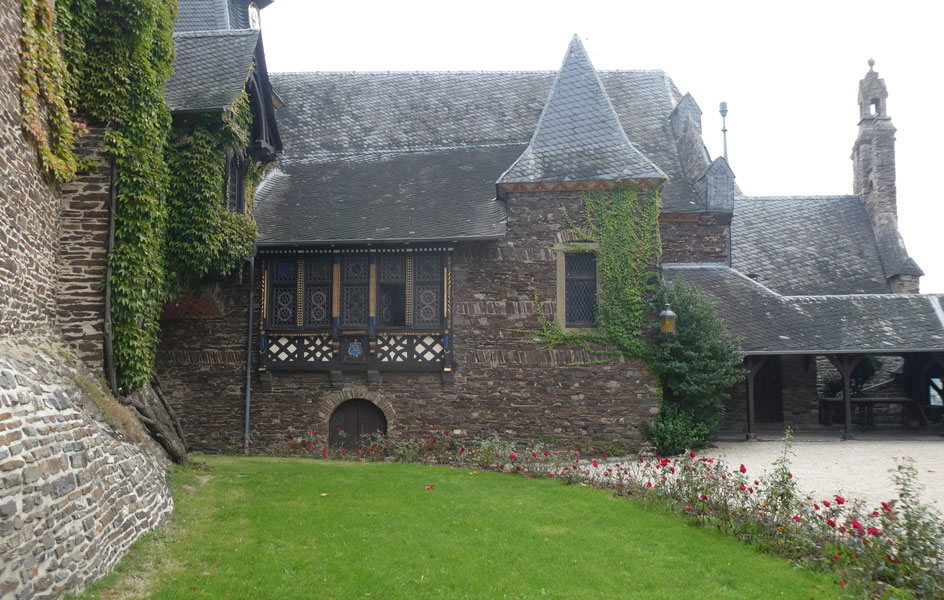
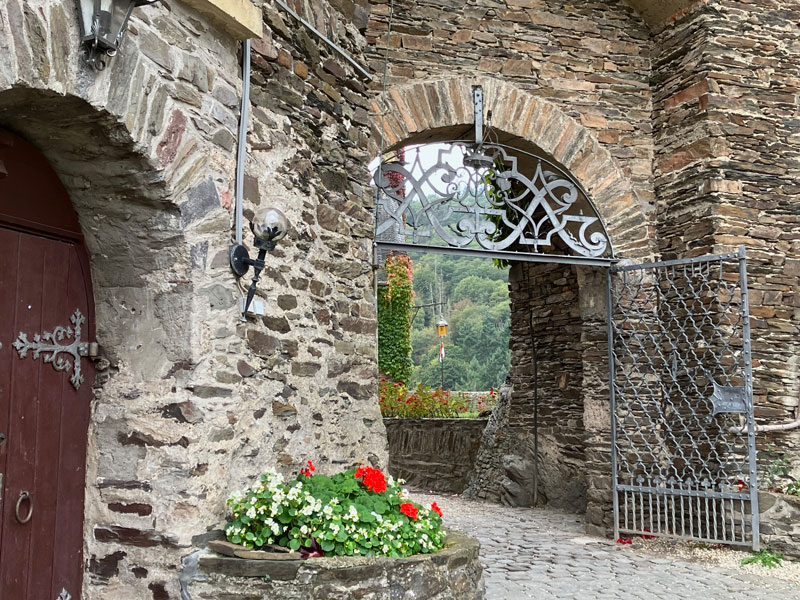
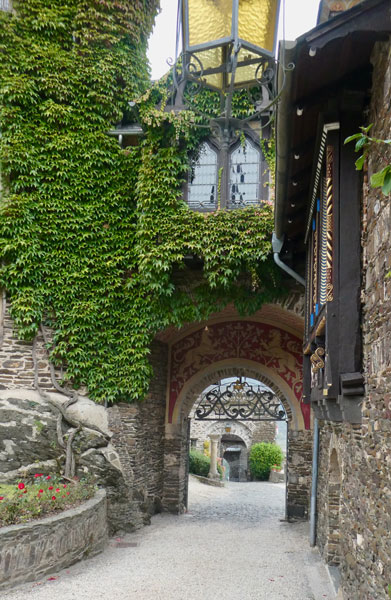
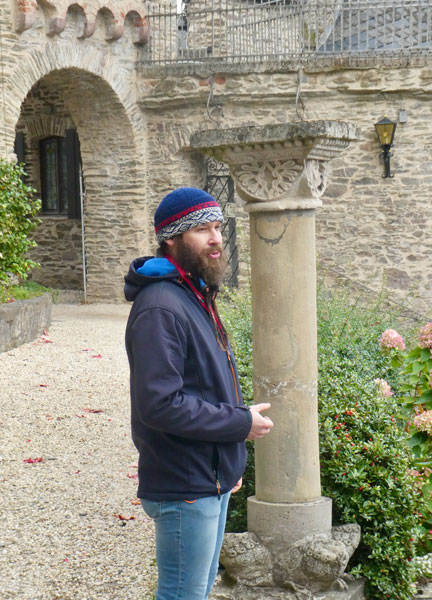
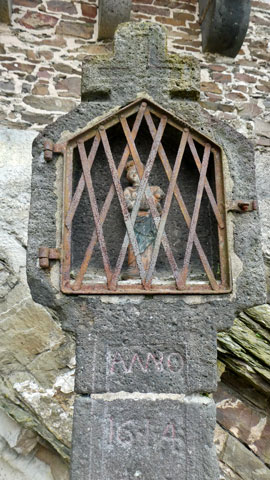
We were led through the building by an excellent guide who was a historian himself. He had a story or stories for every room — too much information to remember much less relate here.
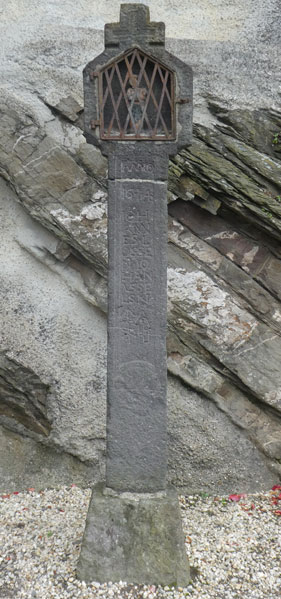
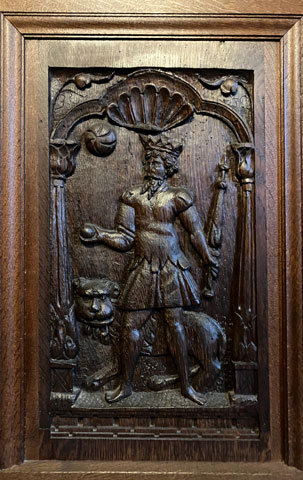
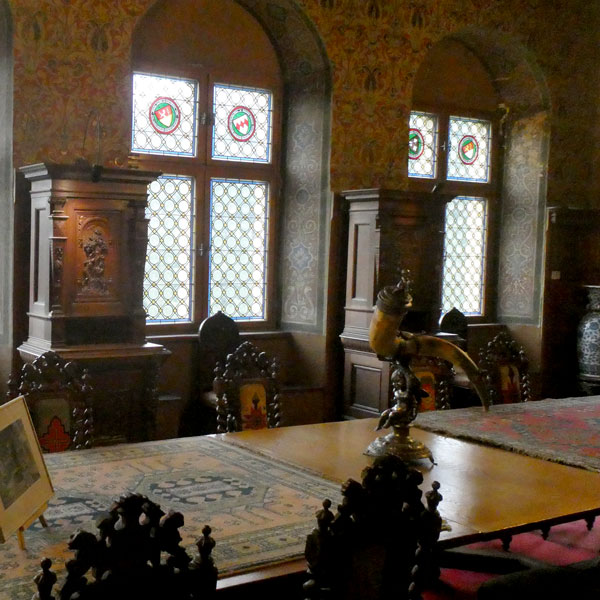
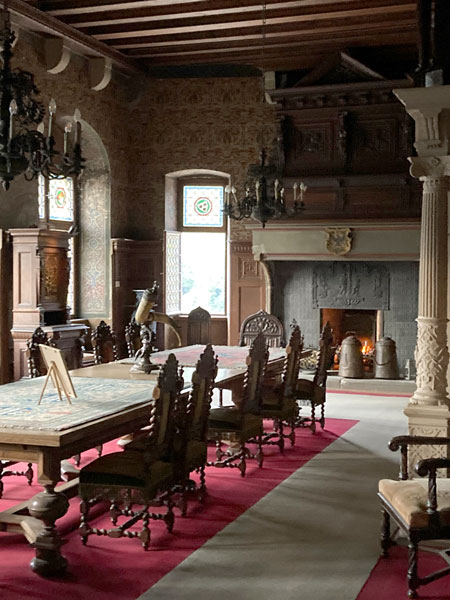
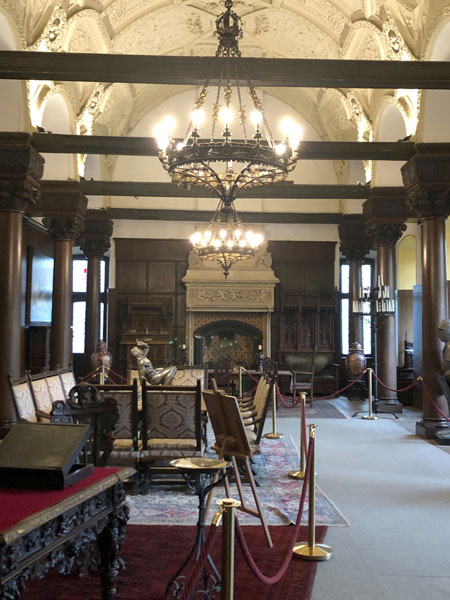
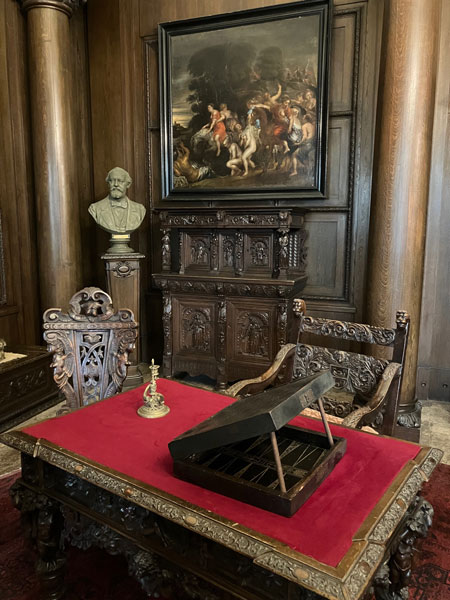
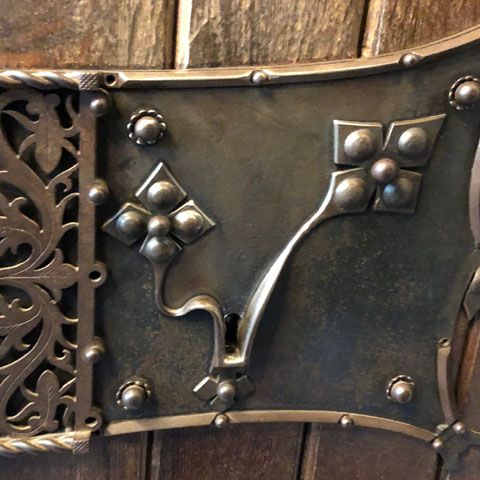
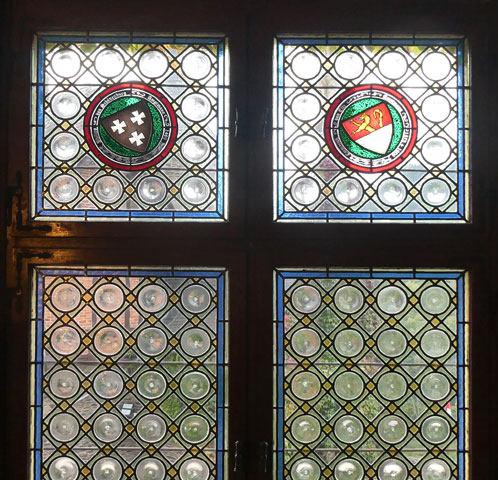
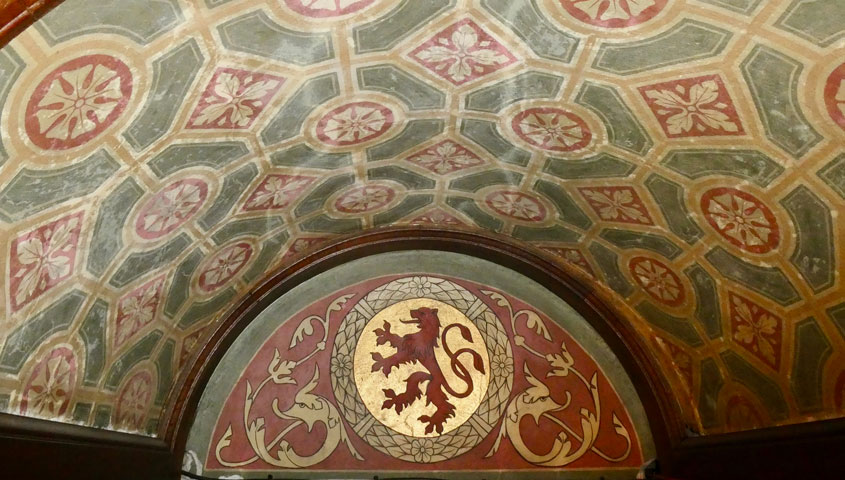
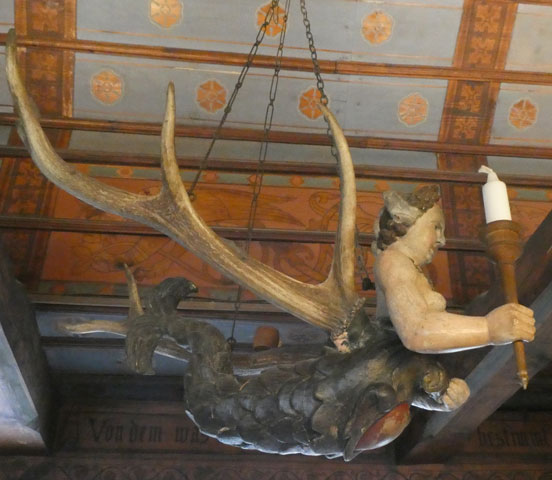
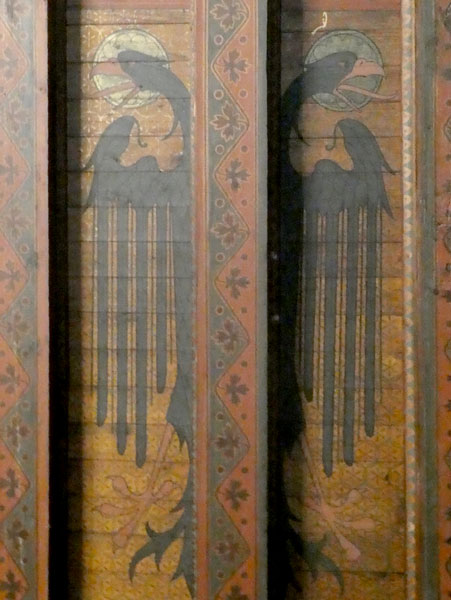
Suffice it to say that none of the interior furnishings are original to the castle’s past, but were made to recapture the spirit of a created period as envisioned by Ravené. The attention to detail was meticulus as can be seen in the random photos that follow.
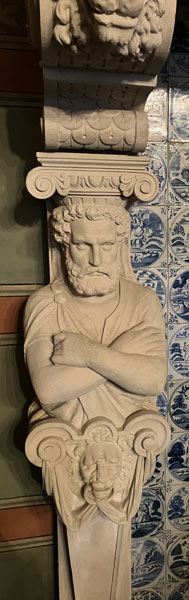
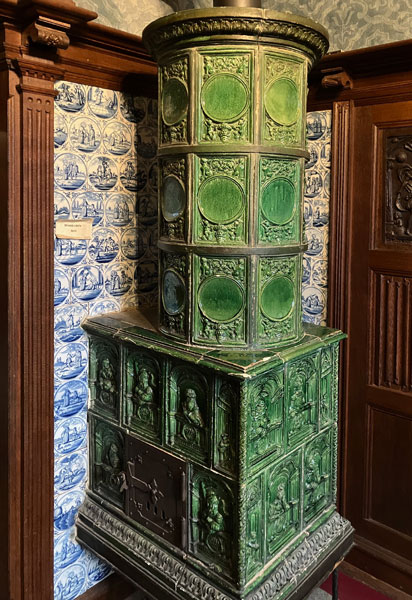
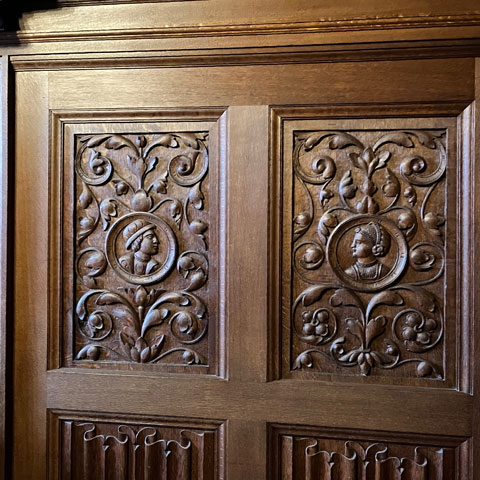
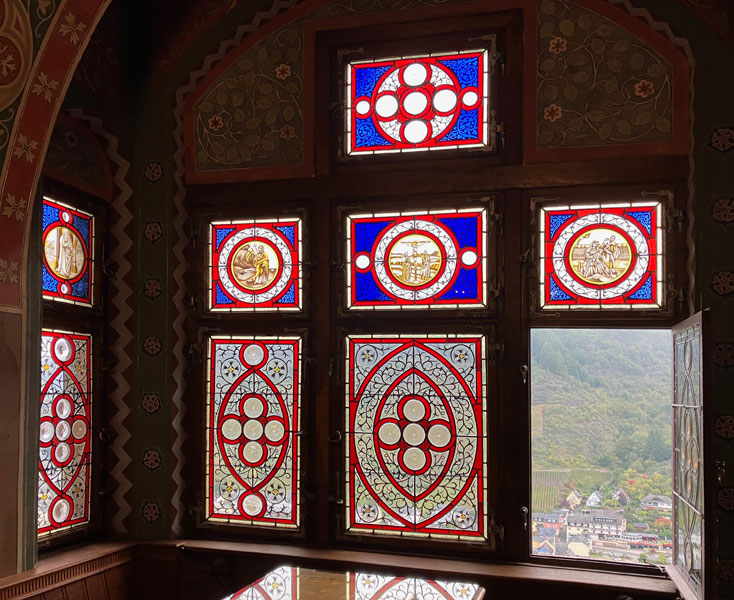
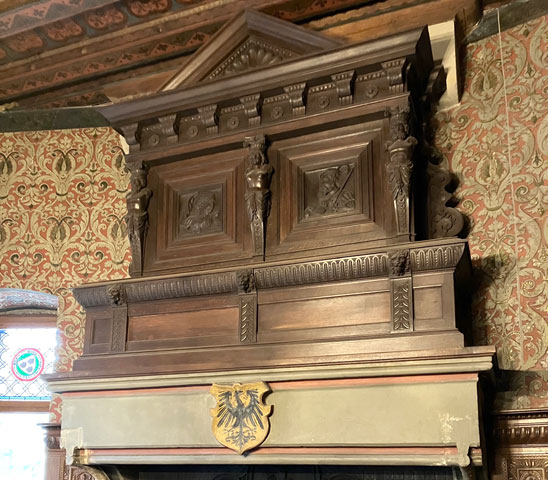
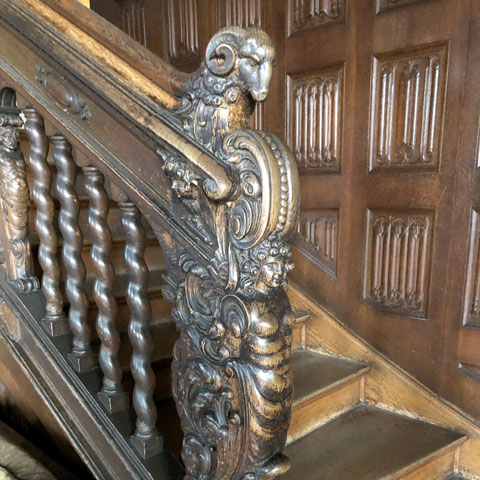
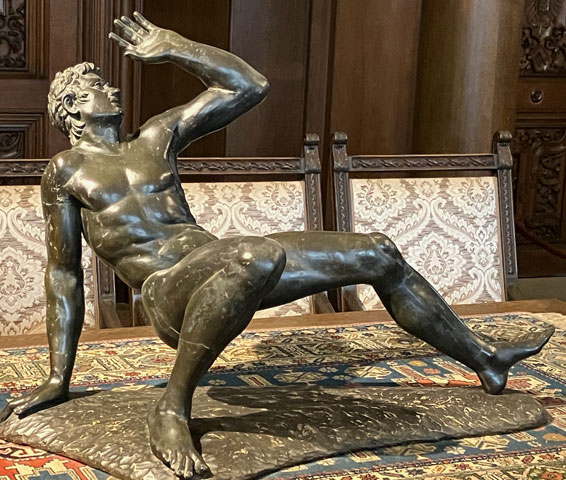
Leaving the Reichsburg, we were driving down into Cochem where we took to the streets for a sight-seeing walking tour.
First, MDR, you should know that Cochem was heavily bombed during the war and most of central Cochem was destroyed. Great effort was made to rebuild the old town as close to what had existed prior to the war. And the few buildings that did survive were restored. However, as in so many of these cities and towns, it is beyond my ability to document the real from the recreated, so be understanding if there are occasional errors made here and throughout the blog.
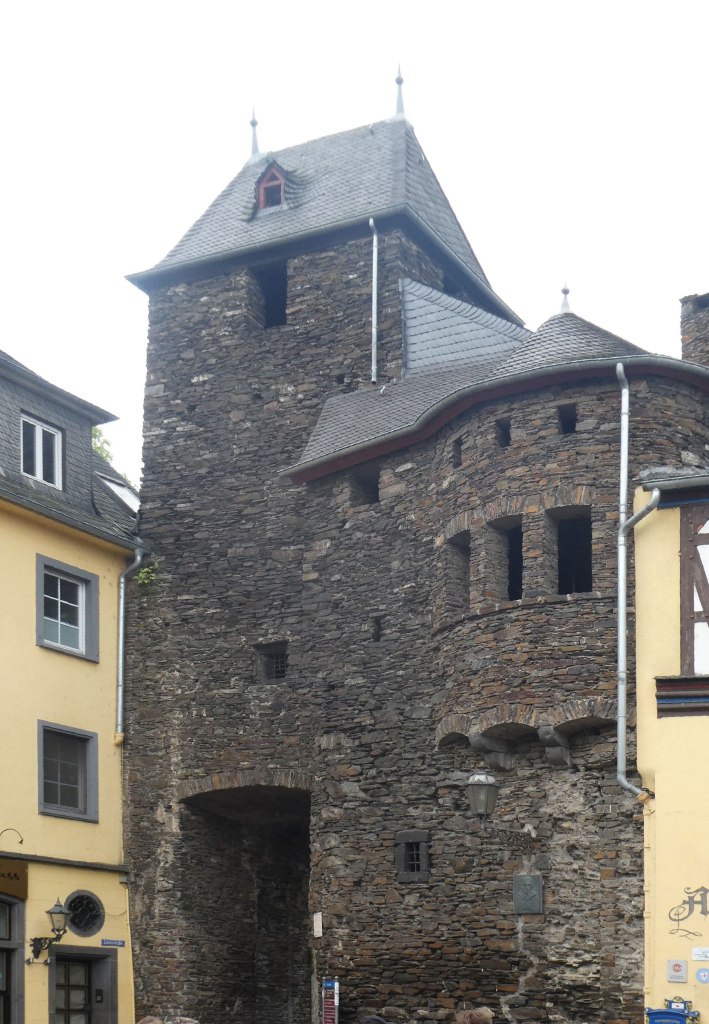
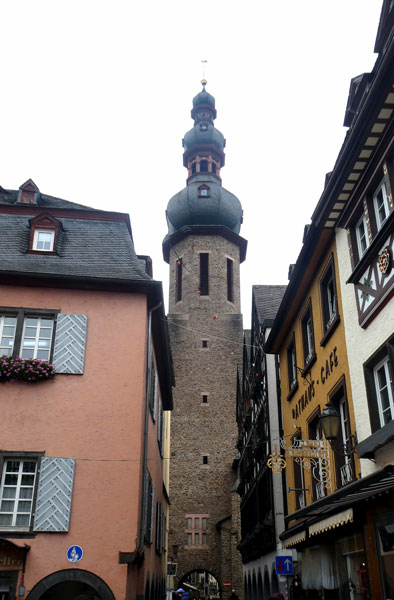
Dropped off by a cemetery that was adjacent to one of the remaining, genuine, original city gates, we descended steps and sloping walkways past mostly post-war rebuilt houses until we landed in the center of the old town. Cochem’s narrow medieval streets are lined with timber-framed houses with modern storefronts at street level. And the city was busting at the seams with tourists other than ourselves. However, despite the compact size of the area, the crowds were not overwhelming.
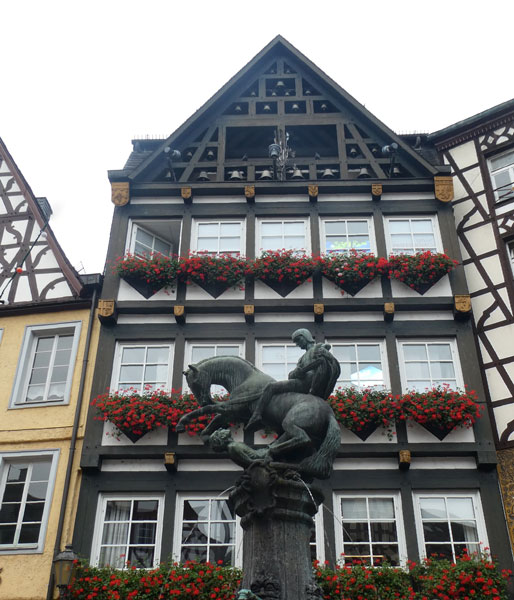
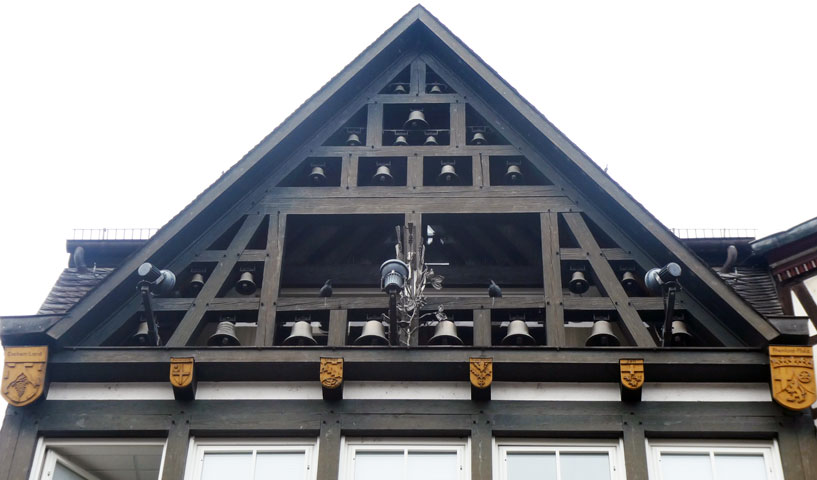
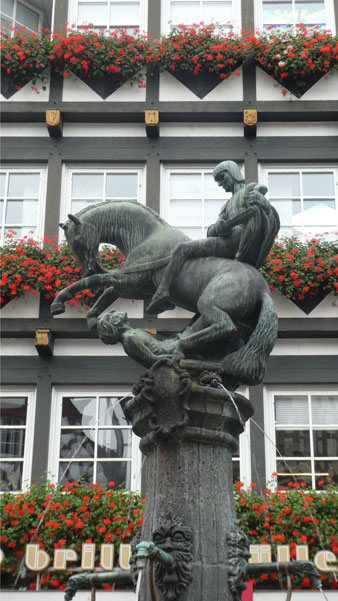
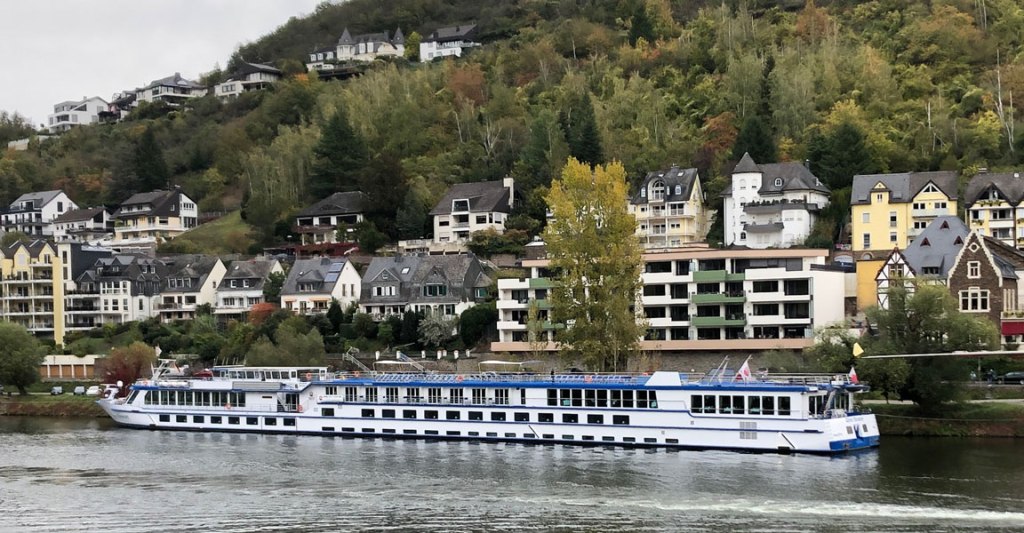
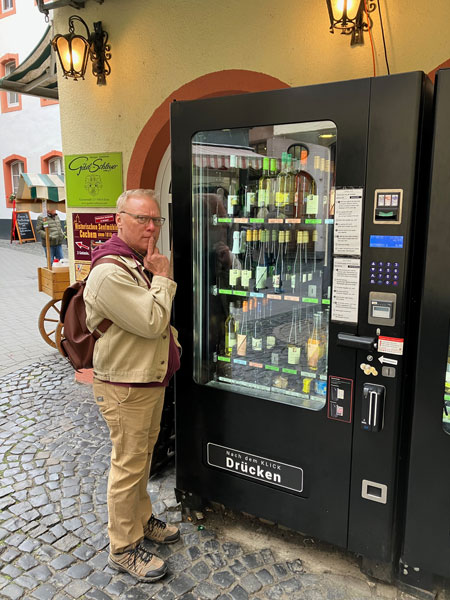
After our introduction to the core of Cochem, most of us were escorted to the historic mustard mill, the Senfmühle, where one can sample any of the mustard flavors made and sold here before purchasing. After the tasting, I purchased a Riesling-flavored crock of senf (mustard) for all the brats we will be consuming upon our return.
We visited two churches in Cochem — the first as a group and the second individually. Both were catholic. And both were striking in their stark interiors compared to most of the others we have visited to date. Of course, both churches underwent partial or full reconstruction after the war which accounts for their modern, modest interiors.
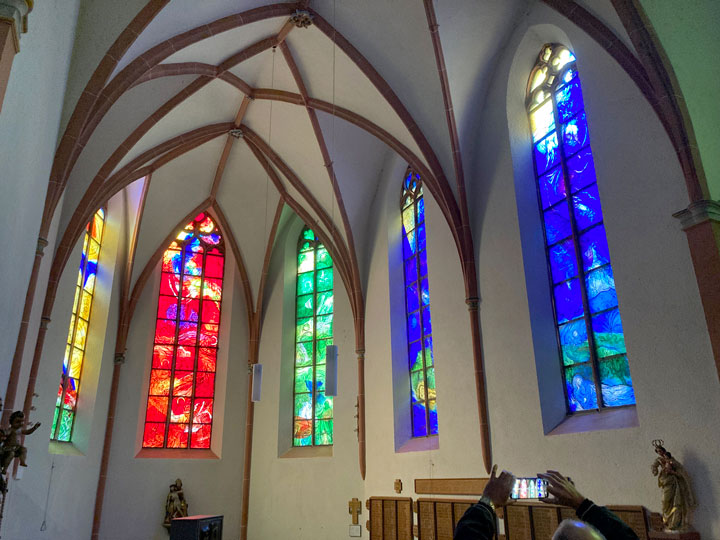
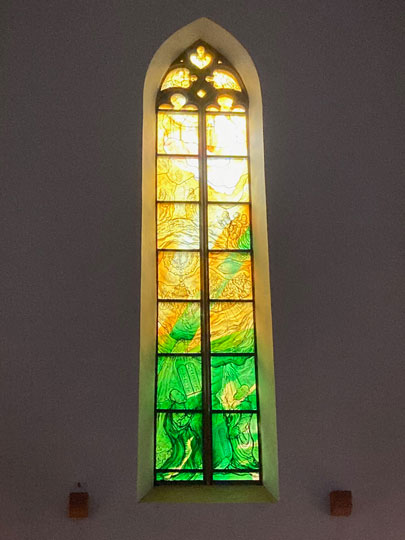
We entered the first, St. Martin’s, specifically to see the brilliant stained glass windows designed by students of Marc Chagall. His influence was unmistakeable.
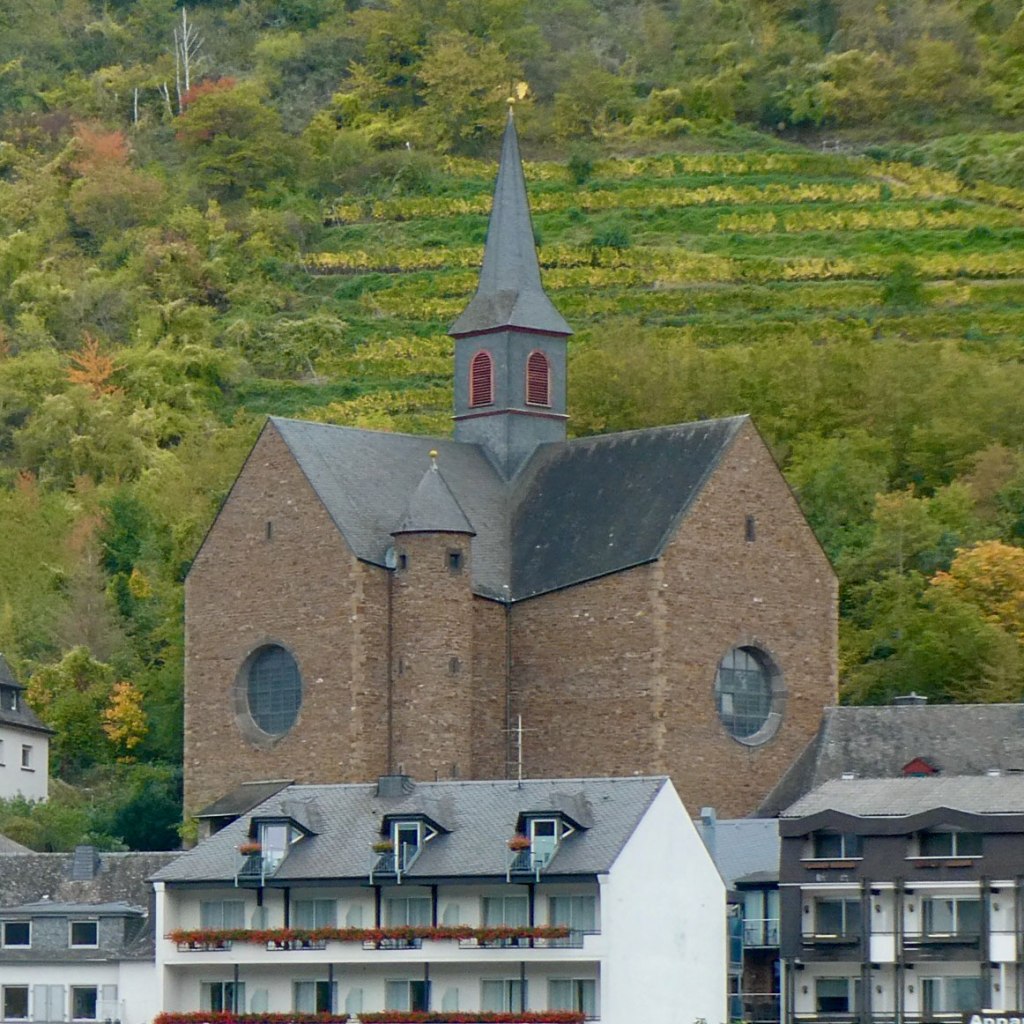
The second, St. Remaclus, was across the river and perched well above street level–so many stairs to climb–and startling in its lack of religious ornamentation both inside and out.
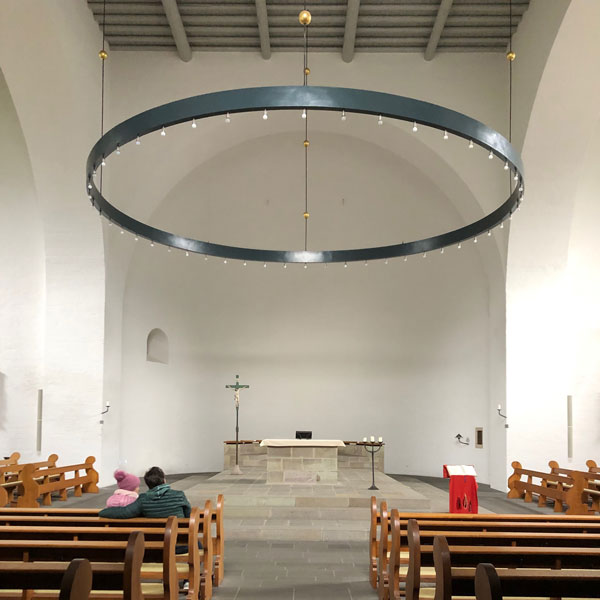
First stop was half way up the stairs, where a simple sign, “krypt,” directed me to the door of an underground chapel completely prepared for mass. Neat rows of chairs were set up before a central altar. All that was lacking was a congregation. In my head, I imagined that this had become the default location for Sunday services as the congregation shrank.
But it was the larger cruciform worship space above in the main church that was the real surprise. The plain brick boxy exterior and unadorned circular windows on the outside should have been a clue. But the bright uncluttered white walls with a huge ring chandelier embracing the space was almost jarring in its simplicity. There were very few religious artifacts on any of the walls. Interestingly, what appeared to be two projectors were positioned at each end of the choir loft pointed to the walls behind the altar.
Back on the ship, lunch, a 4 PM sail-away, a tour of the galley, an Inner Circle members cocktail-and-thank-you party and, of course, dinner rounded out the day.
 Romance of the Rhine & Mosel
What an interesting city!
Your blog is most interesting!
❤️ Nini
LikeLike